







What Are Egress Gateways in Kubernetes?
Egress gateways in Kubernetes are network components that manage the outbound traffic from the cluster to external systems. They enforce security policies and control access, ensuring that traffic only goes to authorized destinations. Egress gateways provide a centralized point from which to monitor and control all exits from the cluster, improving network security and compliance.
Egress gateways simplify compliance audits and security monitoring by consolidating the flow of outbound traffic into manageable and monitorable streams. This arrangement also assists in the prevention of data leaks and unauthorized data access, providing robust control over how services within a cluster interact with external resources.
As such, egress gateways are an important component of a broader container security strategy in Kubernetes environments.
This is part of a series of articles about Kubernetes networking.
In this article:
Use Cases for Egress Gateways
1. Integration with External Firewalls
Egress gateways are especially useful when integrating Kubernetes services with external firewalls. They enable seamless communication between the cluster and external security systems by directing all outbound traffic through controlled pathways. This setup improves security measures by ensuring that only authorized connections pass through the firewall, aligning Kubernetes deployments with existing security protocols.
Additionally, egress gateways can be configured to handle dynamic IP addresses and service endpoints, making it easier to maintain firewall rules. This flexibility supports secure and efficient operations without manual reconfiguration of firewall rules every time a service is updated or scaled.
2. Limiting IP Range Access
Egress gateways make it possible to restrict outbound traffic to specific IP ranges, enforcing security measures for external services. By funneling traffic through egress gateways, Kubernetes administrators can specify allowed IP ranges, thus avoiding risks associated with wide-reaching network access.
This capability not only improves security but also minimizes unwanted network exposure, limiting potential attack vectors. Such control is essential in regulated environments where access must be managed rigorously to comply with data protection standards.
3. Preventing IP Address Exhaustion
Using egress gateways, organizations can mitigate the risk of IP address exhaustion. By centralizing and optimizing the routing of outbound traffic, Kubernetes clusters use IP addresses more efficiently. This is particularly relevant in large-scale deployments where IP addresses are scarce resources.
Efficient use of IP addresses through egress gateways lowers the need for frequent allocation and deallocation of IP resources, which can be costly and complex to manage. This also contributes to more stable and reliable network performance within the Kubernetes environment.
4. Auditing and Logging Traffic
Egress gateways are instrumental in auditing and logging all outbound traffic in Kubernetes clusters. They provide detailed visibility into the traffic’s nature, destination, and quantity, which is critical for security and operational auditing. This information is vital for troubleshooting issues and performing forensic analysis in case of a security incident.
Logs generated by egress gateways can be integrated with SIEM (Security Information and Event Management) systems, improving the overall security posture by allowing for real-time monitoring and alerting based on traffic anomalies.
5. Restricting Egress Traffic
Egress gateways help enforce strict egress controls, preventing unauthorized data transmission and ensuring only approved services communicate with external systems. This is particularly important in environments that handle sensitive data or need to comply with stringent regulatory standards. By restricting egress traffic, organizations can minimize the risk of data leaks and ensure compliance with data protection policies.
These gateways also reduce the potential for Internet-based attacks by limiting the types and destinations of outbound traffic. This forms an essential part of a layered defense strategy, ensuring higher levels of operational security in Kubernetes deployments.
Notable Egress Gateway Solutions
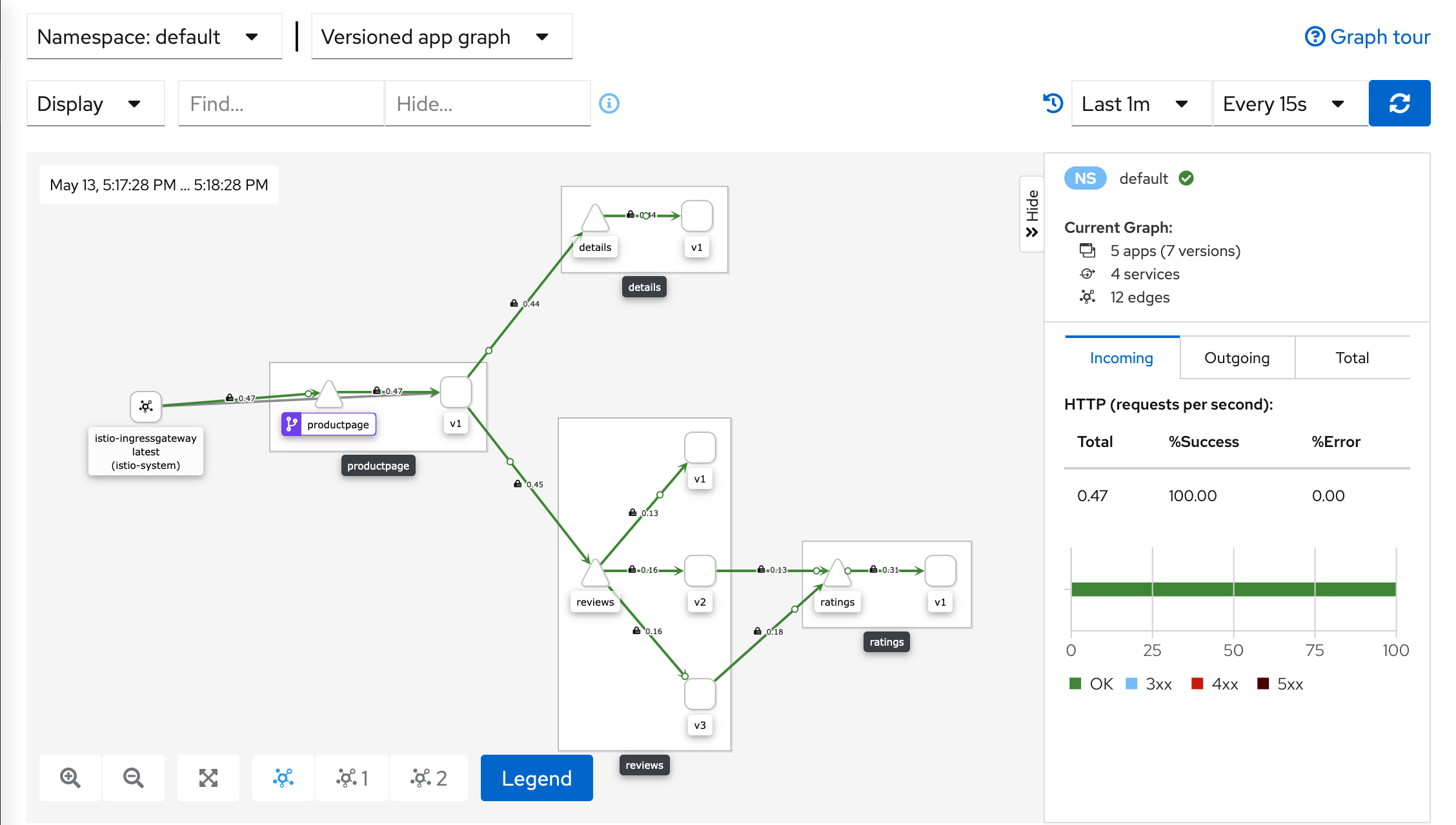
1. Calico

Calico Enterprise and Calico Cloud provide support for egress gateways, offering a scalable solution for managing outbound traffic in Kubernetes environments. By using egress gateway pods, Calico aims to ensure efficient routing and control over the outgoing source IPs, which improves security and compliance.
Features:
- Pod-based architecture: Egress gateways are implemented as pods, fitting seamlessly on existing nodes, reducing infrastructure costs and complexity.
- Control over source IPs: Administrators can create IP pools for egress gateway pods and specify which pods or namespaces use these gateways, ensuring control over outbound traffic.
- Policy-based routing: Policies can be used to route traffic based on its destination, providing control over network traffic.
- Network policy integration: Egress gateway pods can be protected using network policies, similar to other workloads, improving security.
Learn more about Calico Egress Gateway
2. Istio

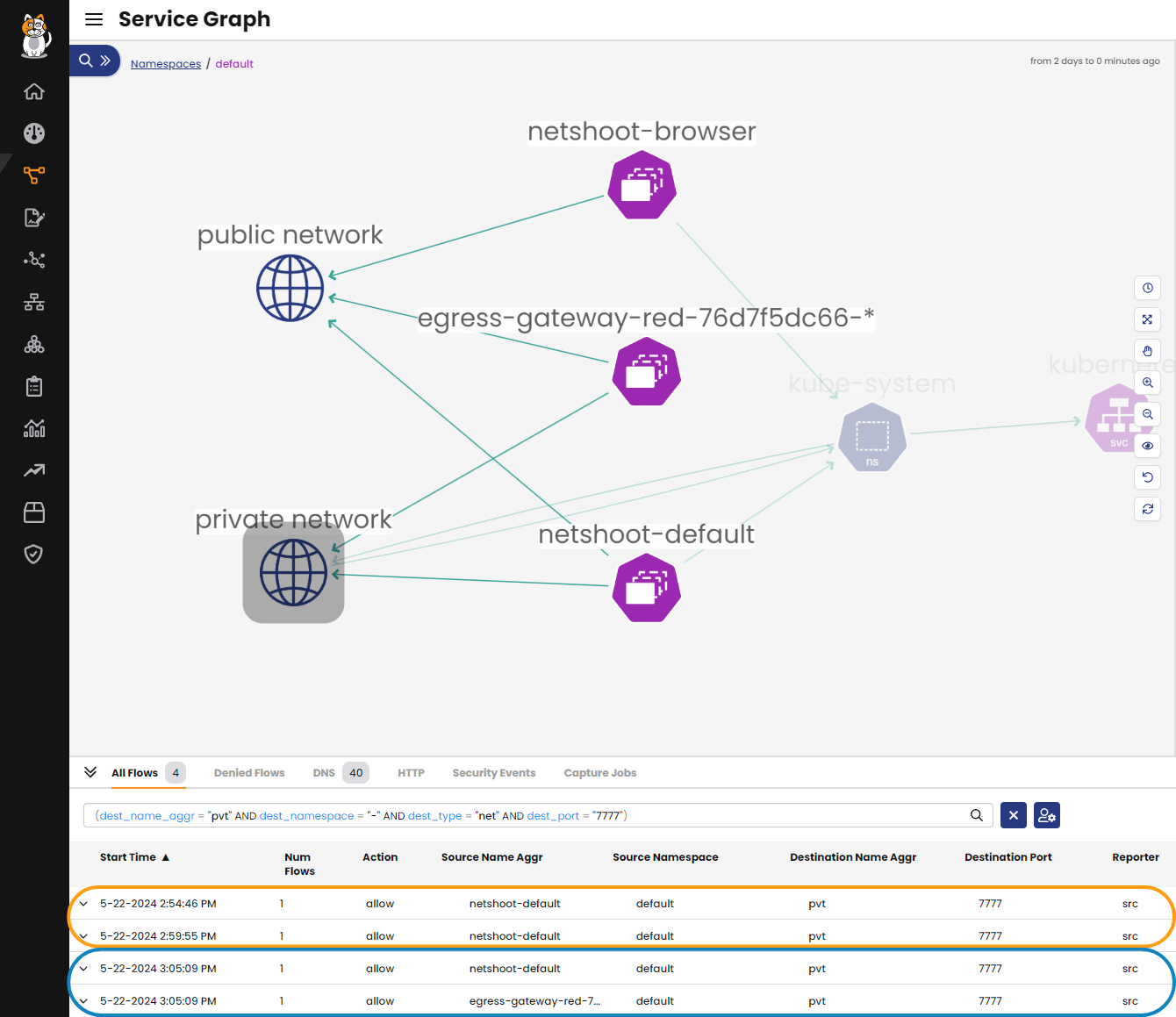
Istio, an open-source service mesh, offers support for egress gateways, improving the security, connectivity, and monitoring of services within a Kubernetes environment. By defining exit points for traffic leaving the service mesh, Istio aims to ensure control and observability over outbound traffic.
Features:
- Secure communication: Ensures secure service-to-service communication with TLS encryption, strong identity-based authentication, and authorization.
- Automatic load balancing: Supports automatic load balancing for various protocols, including HTTP, gRPC, WebSocket, and TCP, improving the reliability and performance of outbound traffic.
- Traffic management: Provides control over traffic behavior through routing rules, retries, failovers, and fault injection, ensuring resilient network operations.
- Pluggable policy layer: Features a policy layer and configuration API that support access controls, rate limits, and quotas, enabling traffic management and compliance.
- External services integration: Allows for the configuration of access to external HTTP and HTTPS services via dedicated egress gateway services, ensuring secure and monitored outbound traffic.
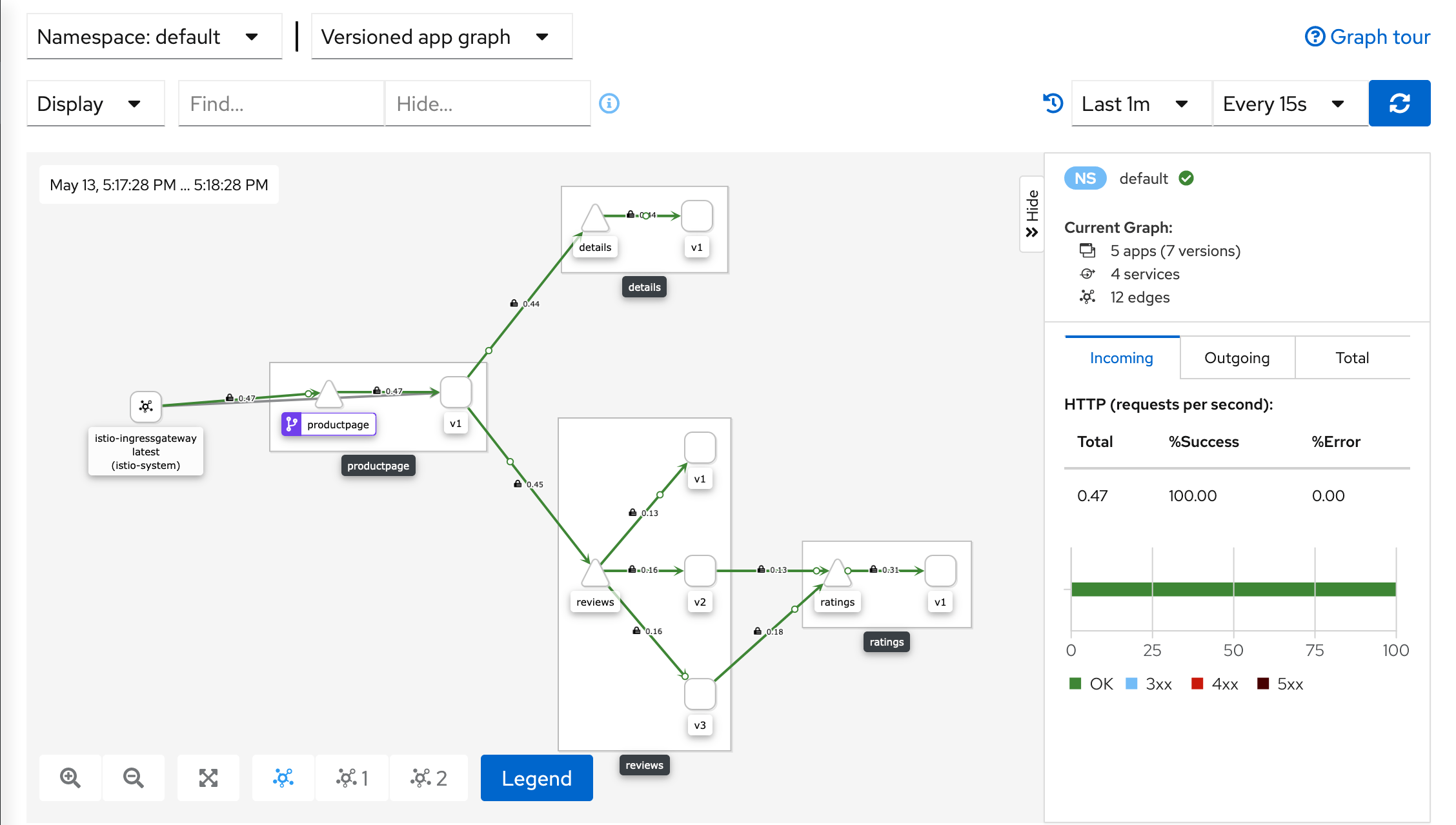
Source: Istio
3. Cilium

Cilium uses eBPF technology to improve network security and traffic control for outbound traffic in Kubernetes environments. By providing a stable and predictable IP address for outbound traffic, Cilium’s egress gateways address the dynamic nature of IPs in Kubernetes. The aim is to enable better integration with legacy systems and firewall rules.
Features:
- Predictable IP addressing: Routes outbound traffic from pods through a node with a stable IP address, enabling compatibility with systems that require a known source IP.
- Selective traffic control: Implements fine-grained control over pod traffic through egress gateway policies that use label selectors, enabling targeted and secure routing.
- Workload-specific routing: Configures routing rules tailored to different workloads, meeting external system requirements and improving multi-tenant environment management.
- Network security: Supports controlling and monitoring egress traffic, reducing the risk of unauthorized data transmission.
- Granular traffic management: Allows for detailed monitoring and filtering of outbound traffic, ensuring effective traffic management and improved visibility.
4. Cloud Service Mesh

Cloud Service Mesh, available on Google Cloud and supported GKE Enterprise platforms, provides management, security, and observability for outbound traffic in Kubernetes environments. Using open-source Istio, it allows for integration and control of egress traffic using declarative APIs tailored for Google Cloud.
Features:
- Managed service mesh: Fully managed on Google Cloud, ensuring ease of deployment and maintenance.
- Application-centric security: Uses trusted application identities for security instead of traditional IP-based methods, reducing the risk associated with dynamic IP addresses.
- Defense-in-depth architecture: Uses a layered approach to security, with both Layer 4 (transport) and Layer 7 (application) controls for fine-grained traffic management.
- Egress gateway proxies: Deploys standalone egress gateway proxies at the edge of the mesh, providing controlled and observable outbound traffic.
- Private GKE clusters with internal IP addresses, improving security by default and controlling outbound Internet access via Cloud NAT.
How to Choose Egress Gateways Tools?
Choosing the right egress gateway tool for your Kubernetes environment requires careful consideration of various factors to ensure optimal performance, security, and ease of management.
- Compatibility with existing infrastructure: Ensure the egress gateway integrates seamlessly with your current Kubernetes setup and any existing network policies, security tools, and firewall configurations.
- Scalability: Choose a solution that can handle your anticipated traffic volume and scale as your Kubernetes deployment grows. Consider both current and future needs.
- Policy enforcement: Ensure the tool allows for detailed and flexible policy enforcement to control which traffic is allowed or denied based on various criteria, such as IP ranges, protocols, and destination services.
- Traffic management capabilities: Look for advanced traffic management features, such as load balancing, traffic routing, retries, and failover capabilities, to ensure efficient and resilient network operations.
- Logging and monitoring: Ensure the tool provides comprehensive logging and monitoring features for outbound traffic, enabling detailed visibility, auditing, and integration with SIEM systems for real-time analysis.
- Ease of configuration and management: Assess how easy it is to configure and manage the egress gateway. Look for user-friendly interfaces, documentation, and support for automation and orchestration tools.
- Performance impact: Analyze the impact of the egress gateway on network performance, including latency and throughput. Ensure it meets your performance requirements, especially for low-latency applications.
- Integration with cloud services: If you use cloud services, check for native integration with your cloud provider’s offerings, such as managed service meshes or egress gateway solutions tailored for specific cloud environments.
Conclusion
Egress gateways play a crucial role in enhancing the security, compliance, and efficiency of outbound traffic in Kubernetes environments. By providing centralized control over outbound communications, they help prevent data leaks, ensure regulatory compliance, and improve network performance.
Selecting the right egress gateway solution involves careful consideration of factors such as compatibility, scalability, security features, and ease of management to ensure it meets the specific needs of your deployment. As Kubernetes continues to grow in popularity, egress gateways will remain important for maintaining secure and well-managed network operations.
This is particularly true in Kubernetes multi-cluster deployments, where consistent egress controls across clusters are essential for unified security and compliance.
Next steps: